Torres Rescues PSG, but Transition Defence Defines the 2-2 Draw
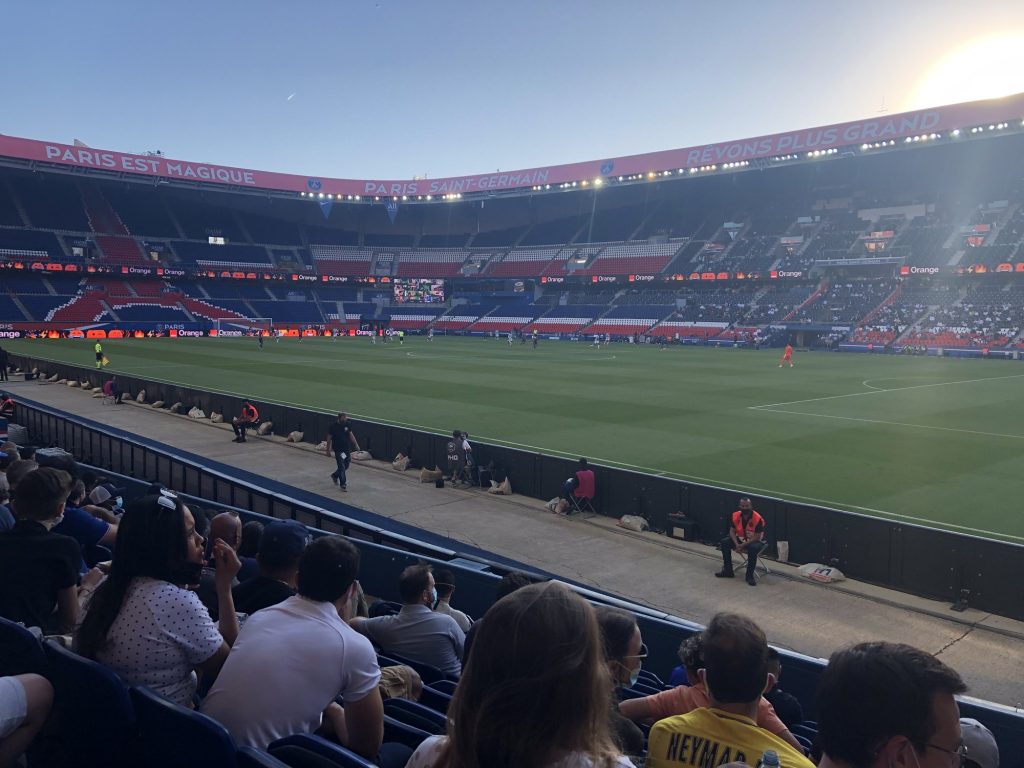
Ferran Torres gave Paris Saint-Germain an immediate return on their investment, scoring twice from the bench on his debut to rescue a 2-2 draw away to Rennes. His goals in the 71st and 82nd minutes changed the result, but they did not erase the central tactical lesson from PSG’s league opener: the champions were repeatedly vulnerable when possession turned into a Rennes counterattack.
PSG arrived with an unusual preparation behind them. Several players had a shortened pre-season after international commitments, and the team had already played a demanding European Super Cup against Aston Villa. Luis Enrique also had to manage the condition of Ousmane Dembélé, who was replaced at half-time. The coach’s changes eventually improved the attack, but the match had already shown how quickly Rennes could move through open space.
Two breaks exposed the same weakness
Rennes’ goals were different in their final actions but similar in origin. In both cases, the home side attacked rapidly before PSG could restore their defensive structure. Sebastian Szymański found room near the edge of the penalty area for one finish, while Estéban Lepaul finished the second after another rapid move down the right.
That pattern is more important than the individual mistakes. PSG want to commit players forward, dominate possession and recover the ball high. When the first pressure is bypassed, however, the defenders can be left protecting a large area with limited support. Rennes did not need long spells of control; they needed only a few well-timed transitions.
Torres changed the attack
Torres entered with PSG two goals down and supplied the directness the visitors had lacked. The Spain international, newly arrived from Barcelona, reduced the deficit in the 71st minute and equalised 11 minutes later. The brace made him the clear headline figure and demonstrated the value of a forward who can attack space as well as combine around the penalty area.
His contribution also gave PSG a more varied route to goal. Rather than relying solely on settled possession, the visitors began moving the ball into dangerous areas earlier and filling the box with greater purpose. Rennes still threatened late, and Willian Pacho had to clear a header close to the line, so the comeback never became comfortable.
The draw offers an early diagnostic
Luis Enrique’s post-match emphasis on rapid attacks was understandable. The issue is not simply that PSG conceded twice; it is that Rennes reached scoring positions through a repeatable method. The response will require coordination between the players who lose the ball, the midfielders responsible for delaying the break and the back line deciding whether to step forward or retreat.
There are also mitigating factors. Early-season sharpness is uneven, the squad’s preparation was compressed and the fixture was moved to Rennes because PSG’s pitch had been affected by a heatwave. Those circumstances help explain a performance that lacked control, but they do not make the transition problem irrelevant.
PSG travel to Lille next, where another side capable of attacking quickly will test whether the message has landed. Torres’ debut ensures the opening match is remembered as a recovery rather than a defeat. For the coaching staff, though, the most useful part of the evening may be the warning: attacking quality can rescue points, but better protection behind the ball is what will make those rescues unnecessary.